Thinking about crossing the Hudson but not sure how your budget and lifestyle will change on the other side? You are not alone. Many New Yorkers compare downtown Jersey City’s 07302 waterfront with Manhattan and wonder what they gain or give up. In this guide, you will see the cost-of-living tradeoffs, commute realities, housing types, and lifestyle differences so you can decide with confidence. Let’s dive in.
Cost of living at a glance
Downtown Jersey City’s 07302 area, including Paulus Hook, Exchange Place, and the waterfront, typically offers lower sticker prices for similar space when compared with many Manhattan neighborhoods. Purchase price per square foot often runs lower in Jersey City, which can translate to more interior space for the same budget. Rents in newer waterfront luxury buildings can be close to Manhattan levels, but on average you often get more square footage for the money across the river. Exact differences depend on building type, finishes, and location.
Property taxes are a key driver of monthly cost. New Jersey’s effective property tax rates are among the highest nationally, and Hudson County rates can be materially higher than New York City’s effective residential rates. In Manhattan co-ops, the property tax portion typically appears in monthly maintenance, which can make those charges feel higher than condo HOA fees in some Jersey City buildings. Always compare the full monthly carry for each option, not just the list price.
Sales tax and day-to-day spending also vary. New York City’s combined sales tax rate is generally higher than many parts of New Jersey. Utilities are broadly similar across the region, but costs can shift by building type and whether heat or other services are included. If you keep a car, remember that New Jersey auto insurance premiums have historically been on the higher side, and parking and tolls add to cross-Hudson costs.
Housing types and ongoing costs
07302 offers a mix of newer luxury condos and rentals along the waterfront, with some converted lofts and townhouses nearby. Buildings often feature amenities like doorman service, gyms, and rooftop spaces. Manhattan neighborhoods include a broader mix: prewar co-ops and walk-ups, rental towers, and newer condo developments. If you prefer newer construction, Jersey City’s waterfront stock gives you many choices in a tight area.
Ownership models work differently. Condos, common in both markets, provide a deeded interest and monthly HOA fees to cover operations and amenities. Manhattan co-ops are still prevalent and require board approval. In a co-op you buy shares and pay monthly maintenance that usually includes a pass-through of property taxes along with building staff and services. Co-ops can have stricter financial and subletting rules and longer approval timelines.
Monthly fees vary by building and amenity level. Condo HOA fees can run a few hundred dollars in smaller or older buildings and can exceed a thousand dollars per month in full-service towers. Manhattan co-op maintenance is often higher than a comparable condo HOA, partly because it includes the tax component and larger staffing. Newer buildings sometimes launch with lower fees, but reserve funding and capital plans matter. Ask for the reserve study and any special assessment history before you buy.
Know what your fees cover. Building insurance, common-area utilities, staff, and routine maintenance are typical. Do not expect owner’s contents insurance, individual utilities unless specified, or special assessments to be covered. For a purchase, compare rent versus owning by adding mortgage principal and interest, property taxes, HOA or maintenance, insurance, and utilities. Jersey City’s lower purchase price can reduce your mortgage cost, but New Jersey property taxes and building fees can offset some of the savings.
Commute and transportation
If you work in Lower Manhattan, the PATH from Exchange Place, Grove Street, or Newport puts you at the World Trade Center in minutes. Typical PATH travel times to WTC from downtown Jersey City fall in the single digits to about 20 minutes, not counting your walk and any transfers. Ferries to Midtown and Wall Street provide a comfortable alternative at a higher fare, with schedules that change seasonally. For Midtown destinations, PATH or ferry routing can vary your total door-to-door time.
Costs differ by mode. PATH, subway, and ferry fares have different pricing and pass options, and they change over time. If you plan to commute daily, include a monthly transit budget when you compare neighborhoods. If you drive, factor in tunnel tolls, parking, insurance, fuel, and time variability. Driving into Manhattan regularly is often the most expensive option due to tolls and parking.
Parking availability and pricing also matter. Manhattan street parking is limited and monthly garages in central areas can be very expensive. Jersey City offers more street parking away from the most central blocks and a municipal residential permit structure that varies by neighborhood. Monthly garages near PATH and ferry stops are usually more affordable than in Manhattan, but the waterfront carries a premium. If keeping a car is important, compare garage rates near the buildings you like.
Lifestyle and amenities
For many movers, space is the headline. With the same budget, you often gain more interior square footage in 07302 than in comparable Manhattan neighborhoods, especially in newer condo buildings. That extra space can make daily life more comfortable, from home offices to storage.
Amenities are robust on both sides of the river. Jersey City’s waterfront communities often feature doorman service, concierge-level amenities, fitness centers, pools, and rooftop terraces. Manhattan’s premier towers may package more extensive services and finish levels, but you will often pay for it with higher purchase prices and recurring charges.
Walkability is strong in both markets, with different rhythms. Downtown Jersey City has a lively but more residential feel, with dining and retail focused around the waterfront, Grove Street, and parks like Hamilton Park. Manhattan offers denser retail, cultural institutions, and late-night services, though the energy level and noise can run higher.
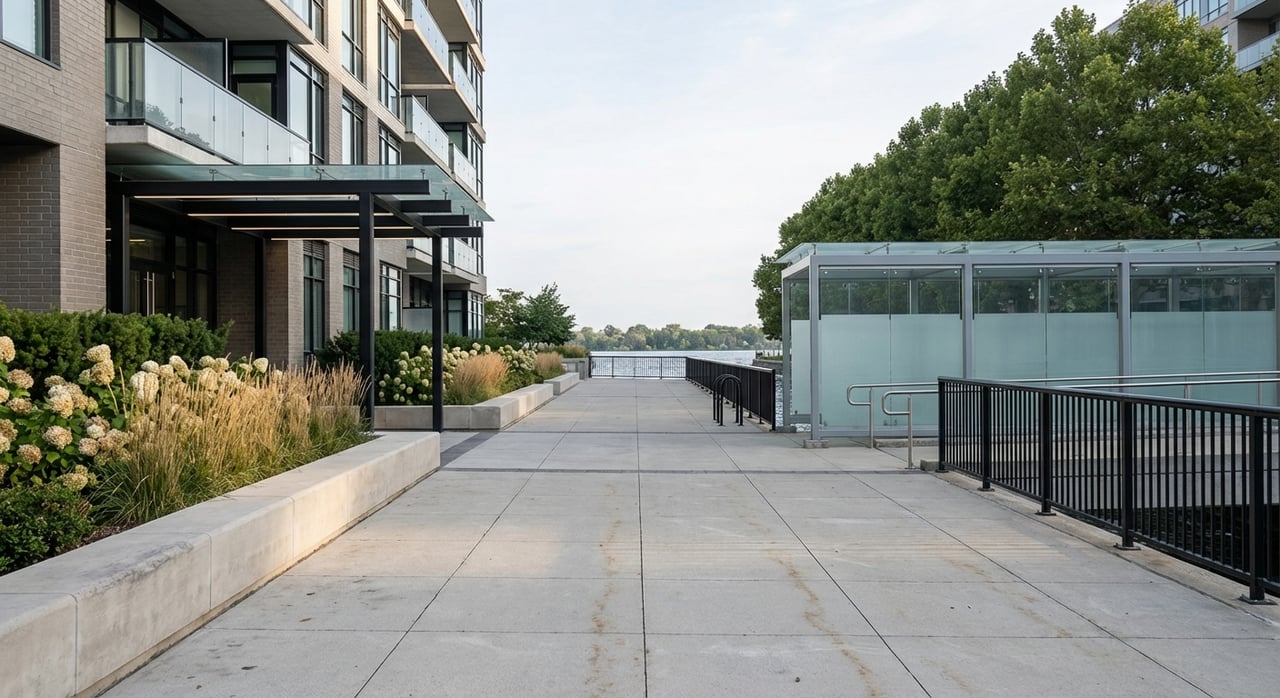
Waterfront access is a quality-of-life win in both places. Jersey City’s promenades offer sweeping skyline views and easy recreation, with Liberty State Park nearby. Battery Park City provides similar park access in Manhattan, but the housing cost profile differs.
Schools and family considerations require a tailored look. NYC and Jersey City public school systems differ in structure and enrollment. Program options, performance, and admissions rules vary by neighborhood and campus. Private schools exist in both markets. Review official school resources and visit prospective schools to confirm fit and logistics.
Safety varies by neighborhood and time of day. Both cities have seen meaningful reductions in many crime categories over the past decade. Use official municipal or precinct-level data to compare the specific blocks you are considering and visit at multiple times to get a feel for the area.
How to compare your monthly budget
Start with an apples-to-apples view of the homes you like. For a purchase, calculate mortgage principal and interest using current rates, add property taxes, HOA or maintenance, homeowner or condo insurance, utilities, and commuting. For a rental, total your rent, renter’s insurance, utilities, transit, and any parking.
Be mindful of taxes in your after-tax analysis. New Jersey’s property taxes can raise your monthly carrying cost even if your purchase price is lower. The federal and state SALT cap can impact deductions for high-tax households. If you are deciding between a Manhattan co-op, a Manhattan condo, and a Jersey City condo, run the numbers to see the net monthly difference after taxes and commuting.
Co-ops introduce unique considerations. Factor in board requirements, subletting rules, and approval timelines. For any condo or co-op building, request recent financials, reserve studies, and capital plans so you can anticipate future fee changes or assessments.
Quick decision checklist
- Assemble comparable 1-bedroom or 2-bedroom homes in your target Manhattan neighborhoods and in 07302 for the same time window. Track list or asking price, price per square foot, interior size, and building age.
- For a purchase, calculate monthly carry: mortgage principal and interest, property tax, HOA or maintenance, insurance, and utilities. Note board approval factors for co-ops.
- For a rental, tally rent, renter’s insurance, commuting, and parking.
- Estimate commute time and cost. Review PATH and ferry schedules and consider door-to-door time including walks and transfers.
- Check local property specifics. In Jersey City, review property tax bills, assessed value history, and HOA reserve studies. In Manhattan, review the maintenance and tax share for co-ops.
- Visit at multiple times. Compare weekday rush, evenings, and weekends to understand noise, traffic, and nightlife.
- Verify parking options. Call garages near your short list of buildings and review municipal permit rules where applicable.
- Speak with a local real estate agent and lender who understand condos and co-ops on both sides of the river.
- Confirm auto insurance quotes for New Jersey versus New York if you plan to keep a car.
- Review resale and rental market trends for the past 3 to 5 years in your target submarkets.
Which fit is right for you?
Choose downtown Jersey City if you want more interior space and newer building amenities for the same budget, with a short PATH or ferry ride to Lower Manhattan. You may enjoy a slightly quieter residential feel while staying close to the city. Be sure to account for New Jersey property taxes and commuting choices when you compare.
Stay in Manhattan if you prioritize immediate access to cultural institutions, a walk-to-work routine within Manhattan, or the highest level of 24-hour services nearby. You will likely accept a higher price per square foot and often higher recurring building charges to maintain that lifestyle.
Ready to talk options along the Hudson?
If you are weighing 07302 waterfront condos against Manhattan living, a clear plan and local guidance will save time and stress. Our team’s North Jersey waterfront expertise, new-development experience, and hands-on approach can help you compare real homes and build a smart budget. If you want a personalized short list that fits your goals, reach out to MJ Group to get started.
FAQs
How do housing costs compare between 07302 and Manhattan?
- You typically get more interior space for the same budget in downtown Jersey City than in many Manhattan submarkets, but exact differences depend on building type, finishes, and location.
What monthly fees should I expect in condos versus co-ops?
- Condo HOA fees vary widely and cover building operations and amenities, while Manhattan co-op maintenance often runs higher for similar space because it usually includes property taxes and building staff.
How long is the commute from 07302 to Lower Manhattan or Midtown?
- PATH rides from Exchange Place, Grove Street, or Newport to the World Trade Center are often in the single digits to about 20 minutes, while Midtown commutes vary more based on routing and transfers.
Are New Jersey property taxes higher than New York City’s?
- New Jersey’s effective property tax rates are among the highest nationally and can exceed NYC’s effective residential rates, so compare the full monthly carry rather than just purchase price.
What should I budget for parking if I keep a car?
- Manhattan garage parking is often very expensive and street parking is scarce, while Jersey City has more street options away from the core and relatively lower garage rates near PATH and ferry hubs, with premiums on the waterfront.
How do schools differ between Jersey City and Manhattan?
- Public school systems and enrollment processes differ, and program options vary by neighborhood; review official resources for the specific schools you are considering and visit in person to assess fit.